Urgent flood cleaning in Tottenham Hale Haringey N17
Posted on 01/08/2026

If water has entered your home, flat, shop, or office in Tottenham Hale, the first few minutes can feel chaotic. Floors go slick, carpets start soaking up dirty water, and that faint damp smell arrives much faster than people expect. Urgent flood cleaning in Tottenham Hale Haringey N17 is about more than wiping surfaces. It is about stopping damage early, reducing health risks, and getting the space usable again without dragging the problem out for days.
This guide walks you through what urgent flood cleaning involves, why speed matters, how the process usually works, and what to do before a specialist arrives. You will also find a practical checklist, a comparison table, and straight answers to the questions people ask most when a leak or flood lands in their lap at the worst possible moment. Let's face it, nobody plans to read about flood cleanup on a normal Tuesday evening.
Why Urgent flood cleaning in Tottenham Hale Haringey N17 Matters
Water damage is one of those problems that looks manageable at first and then gets annoying in a hurry. A small overflow, burst pipe, appliance leak, or rainwater ingress can spread beneath flooring, behind skirting boards, and into soft furnishings before you realise what is happening. The visible puddle is often only part of the issue.
In a busy area like Tottenham Hale, properties can be a mix of flats, converted homes, managed blocks, and commercial spaces. That variety matters because flood damage behaves differently in each setting. A hallway carpet in a ground-floor flat may trap moisture for days, while a hard-floor office can still become slippery, contaminated, and unsafe almost immediately. Either way, the clock starts ticking as soon as the water lands.
The real reason urgent cleaning matters is simple: the longer moisture sits, the higher the risk of staining, odour, mould growth, warped timber, damaged underlay, and electrical problems. Dirty water can also carry soil, bacteria, and debris into the property. Even clear water can become a problem if it is left to soak into porous materials.
We have seen people assume they can "sort it properly tomorrow". Usually, tomorrow is when the smell shows up. Or the carpet edge lifts. Or the furniture leaves marks. That is why a quick response is not just about appearance; it is about limiting damage at the point where the job is still recoverable.
Expert summary: the most effective flood response is fast, controlled, and targeted. First make the area safe, then remove standing water, then dry and sanitise the affected surfaces before secondary damage sets in.
If you are also planning wider property cleaning after an incident, it can help to understand broader service options through the services overview and the practical scope of deep cleaning in Haringey.
How Urgent flood cleaning in Tottenham Hale Haringey N17 Works
Flood cleaning is usually a staged process, not a single wipe-and-go job. In plain English, the aim is to remove water, protect the property, and clean up the contamination left behind. The exact method depends on where the water came from, how far it has spread, and what materials have been affected.
1) Initial assessment
The first thing a professional team will do is check what kind of water has entered the space. Clean water from a supply line is treated differently from grey water or contaminated floodwater. They will also look for hidden spread under laminate, carpet edges, furniture, and fixtures. That matters because the surface often lies to you a bit.
2) Making the area safe
Before any cleaning begins, electricity risks, trip hazards, and slip hazards need attention. In some situations, you may need to switch off power to the affected area or avoid entering until it is safe. If the flood has reached sockets, consumer units, or appliances, that is not a DIY moment.
3) Water extraction
Standing water is removed with appropriate extraction equipment. The faster this happens, the better the chance of saving carpets, underlay, and wood-based materials. Heavy towels and mops are fine for a minor spill, but they are not enough for a real flood. That is the honest version.
4) Drying and dehumidification
After extraction, the drying stage begins. This may involve air movement, controlled ventilation, and dehumidifiers. Drying is not glamorous, but it is where damage is prevented. If materials stay damp, hidden mould and odour can develop quietly behind the scenes.
5) Cleaning and sanitising
Once the area is dry enough to treat safely, surfaces are cleaned and sanitised. If floodwater contained dirt or waste, more intensive cleaning may be needed. Soft furnishings, carpet fibres, and upholstery can require specialist attention, which is where pages such as carpet cleaning support and upholstery cleaning services can become relevant after the emergency phase.
6) Post-clean checks
Finally, a proper job includes checks for lingering moisture, stains, odour, and any signs of material distortion. In some cases, you may need a follow-up visit. That is not a failure. Flood recovery often unfolds over a couple of days, not a single afternoon.
If the flooding happened in a workplace or shared building, the coordination can get a little messy. In those cases, reading up on office cleaning in Haringey can help you think through the practical next steps for shared spaces, common areas, and business continuity.
Key Benefits and Practical Advantages
There are several good reasons to act quickly with flood cleanup rather than waiting to see how things settle. Some are obvious; some are the sort of thing people only learn the hard way.
- Reduced structural damage: the sooner water is removed, the less chance it has to seep into flooring, walls, and furniture.
- Lower odour risk: damp smells develop fast in carpets, underlay, and fabrics.
- Better chance of saving materials: quick drying can often prevent permanent distortion or staining.
- Safer environment: wet floors, hidden water, and contamination create slip and hygiene risks.
- Less disruption: faster recovery means you can get back to normal life, or work, sooner.
- More predictable costs: early intervention often avoids bigger remedial work later.
A helpful way to think about it is this: flood cleaning is not only cleanup. It is damage control. The practical advantage of urgent attention is that it keeps the problem small enough to manage.
People sometimes ask whether a quick domestic mop-up is enough. For a tiny spill, yes, maybe. For anything beyond that, not really. If moisture has moved into carpets or under fittings, a casual approach can leave residue behind. That residue tends to show itself later, usually at the most inconvenient time possible.
For households that also want to restore the general feel of the property after the incident, a one-off reset can be useful once the area is dry. You can explore that via one-off cleaning in Haringey or, for more routine support, domestic cleaning in Haringey.
Who This Is For and When It Makes Sense
Urgent flood cleaning in Tottenham Hale Haringey N17 is relevant for more people than you might first think. It is not just for "big flood" events. In practice, it helps anyone dealing with sudden water damage, whether that comes from a burst pipe, a blocked appliance hose, roof ingress, or a heavy weather event.
It makes sense if you are:
- a homeowner facing a leak or overflow
- a tenant who needs to protect the property and document damage
- a landlord wanting to limit escalation between tenancies
- a property manager responsible for shared areas or multiple units
- a business owner trying to reopen quickly after water damage
- a letting agent preparing a property for inspection or handover after an incident
There are also times when flood cleaning becomes part of a wider property recovery plan. For example, if water has damaged carpets right before a move-out, the clean-up might overlap with end of tenancy cleaning in Haringey. If the issue affects a home that is already hard to keep on top of, you may need a more sustained domestic clean afterward.
One thing to say plainly: you do not need to wait until the room looks ruined. If the floor feels damp, smells musty, or keeps darkening after you've dried it yourself, that is enough reason to bring in urgent help. Earlier is better. Much better.
Step-by-Step Guidance
If a flood or significant leak happens, follow a calm order of operations. Panic is understandable, but it does not remove water very well.
- Stop the source if you can do so safely. Turn off the supply or isolate the affected appliance only if it is safe and obvious how to do it.
- Keep people away from wet electrical areas. If water is close to sockets, lights, or appliances, do not take chances.
- Move valuables, soft furnishings, and loose items. Start with items that can stain, swell, or transfer dye.
- Blot or remove standing water. Use towels, mops, or a wet vacuum where appropriate. Do not spread dirty water into clean rooms.
- Ventilate the space carefully. Open windows if weather and security allow, but don't make a draught problem worse in severe conditions.
- Document the damage. Take photos before moving too much. This is especially useful for landlords, tenants, and insurance conversations.
- Arrange urgent professional cleaning. The sooner a proper extraction and drying process starts, the better.
- Monitor the area over the next 24 to 72 hours. Watch for continuing dampness, a changing smell, or lifted materials.
A common mistake is to clean only what you can see. The hidden moisture under a carpet edge, behind a skirting board, or beneath a cabinet is often the part that causes the later headache. Truth be told, that hidden part is usually the expensive bit too.
For local property owners managing wider household recovery, service planning often overlaps with house cleaning support in Haringey and, if textiles have been affected, targeted treatment rather than a general wipe-down.
Expert Tips for Better Results
Here are the practical details that tend to make a real difference. Not theory. Actual useful stuff.
- Act before odour appears. If the room already smells damp, the moisture has probably been there long enough to begin settling in.
- Lift furniture feet if possible. Even a small gap can reduce staining and help airflow.
- Don't over-wet during DIY cleaning. Adding more water can push moisture deeper into carpet backing and underlay.
- Check adjacent rooms. Water often tracks under thresholds and into the next space.
- Keep the affected area consistent. Repeatedly opening and closing doors can slow drying by trapping humid air.
- Use absorbent materials carefully. Towels help with surface moisture, but they do not replace extraction.
- Be realistic about what can be saved. Some saturated items are better removed than repeatedly treated.
In our experience, the biggest difference comes from not trying to "finish the whole job" in one go. Flood recovery is often a sequence. First safe. Then dry. Then clean. Then reassess. A bit dull, yes, but very effective.
If the incident happened in a venue or event space, you may also need a quicker turnaround and a broader clean. That sort of situation can sit close to venue cleanup work in Haringey, where fast reusability matters just as much as visual appearance.
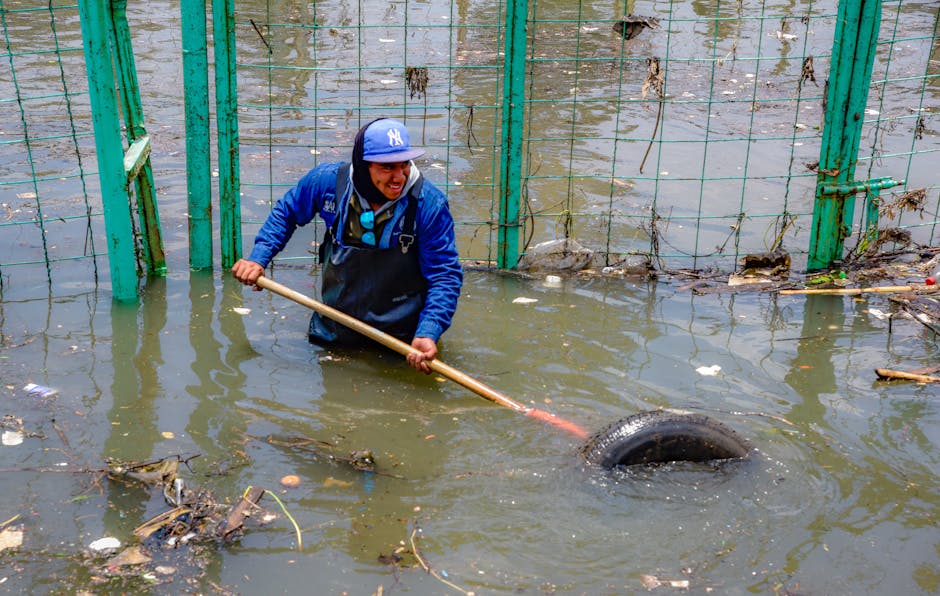
Common Mistakes to Avoid
Flood cleanup goes wrong in fairly predictable ways. Avoid these and you already have a better outcome than many people get.
- Leaving the area for too long. Waiting until the next day can turn a manageable issue into a deeper drying problem.
- Ignoring hidden moisture. Surface dryness does not mean the underlayers are dry.
- Using household cleaners indiscriminately. Some products can stain or lock dirt into fibres.
- Dragging wet furniture across the room. That can damage floors and spread contamination.
- Forgetting about electrical safety. Water and electrics are a terrible combination. No drama there, just reality.
- Throwing everything away too quickly. Some materials can be recovered with proper treatment.
- Assuming odour will "air out". Sometimes it will. Often it won't.
The most expensive mistake is usually delay. The second most expensive is guessing. There is a reason flood specialists tend to assess first and clean second.
Tools, Resources and Recommendations
You do not need a warehouse of equipment to begin an emergency response, but the right tools help. A sensible starter setup for small incidents may include:
- microfibre cloths and absorbent towels
- a mop and bucket for contained clean water
- a wet vacuum, if available and suitable
- protective gloves
- basic footwear with grip
- bin bags for damaged disposable materials
- a torch for checking under furniture and near skirting boards
Beyond tools, what matters is sequence. An organised approach beats a heroic one. If you are dealing with recurring household maintenance issues, it may also be worth looking at spring cleaning services in Haringey once the flood matter is resolved, especially where the incident has left dust, residue, or stale odour behind.
For people comparing service options and wanting a clearer idea of how booking and payment work, the pages on pricing and quotes and payment and security are useful references. If you are unsure what to ask for, start with a short description of the water source, affected rooms, flooring type, and how long the area has been wet.
You can also get broader company background through about us, and if you need to raise a concern about service or communication, the complaints procedure page is there for clarity. That kind of transparency matters after an urgent job.
Law, Compliance, Standards, or Best Practice
Flood cleaning itself is not a single legal category, but good practice in the UK usually sits around safety, hygiene, and responsible waste handling. If water has affected electrics, structural materials, or shared building services, the situation may require careful coordination with property management, insurers, or qualified tradespeople. That is one reason professional cleaners tend to be cautious about making assumptions on site.
From a best-practice standpoint, a proper flood response should consider:
- health and safety: slip hazards, contaminated water, and electrical risk
- appropriate waste handling: damaged materials should be disposed of responsibly
- insurance awareness: document damage before major removal or replacement
- clear communication: tenants, landlords, owners, and managers should know what is happening
- privacy and access: entry to homes or offices should be handled properly
For teams or property managers who need a more formal safety framework, the site's health and safety policy and insurance and safety pages are sensible starting points. If waste disposal is part of the job, the local article on Haringey council waste rules for cleaning teams can help frame the issue in practical terms, especially when you are clearing damaged items.
It is also worth noting that if you are a tenant or landlord, keeping records of the damage and the response is just plain sensible. Photos, timestamps, and short notes can save everyone a lot of back-and-forth later.
Options, Methods, or Comparison Table
Not every flood response needs the same level of intervention. A small clean-water spill in a kitchen is one thing; a soaked carpet after a leak in a hallway is something else entirely. This quick comparison may help you judge the right level of action.
| Method | Best for | Strengths | Limitations |
|---|---|---|---|
| Basic DIY mop-up | Very small clean-water spills | Fast, low cost, immediate action | Does not address hidden moisture or contamination |
| Home wet vacuum and ventilation | Minor to moderate surface water | Better extraction than mopping alone | Still limited for deep saturation and underfloor damp |
| Professional flood cleaning | Meaningful leaks, soaked carpets, recurring damp, or contaminated water | Safer, more thorough, better drying control | Needs scheduling and may cost more upfront |
| Full restoration support | Serious damage, structural concerns, or prolonged damp | Addresses wider recovery needs | Usually slower and more involved |
The honest answer is that most real incidents sit somewhere between DIY and full restoration. If you are unsure, the sensible move is to get an assessment rather than guessing. A short inspection can prevent a lot of overreaction or underreaction. Both are common, by the way.
Case Study or Real-World Example
Picture a ground-floor flat in Tottenham Hale on a wet weekday morning. A washing machine hose slips during a spin cycle, and water spreads from the utility corner into the hall carpet. At first glance it looks like a simple mop job. The resident clears the puddle, opens a window, and assumes that is that.
By lunchtime, the carpet edge still feels cool and damp. A slight smell begins near the skirting board. The resident then notices that the underlay seems to hold moisture longer than expected, especially where the hallway narrows near the door. That is the moment the problem stops being minor.
A better response would have been to isolate the source, remove excess water quickly, protect the nearby furniture, and organise urgent flood cleaning before the moisture settled into the flooring layers. Once drying begins early, there is a much better chance of preventing that stale smell and avoiding the kind of edge lifting that turns a short incident into a weekend project.
It sounds small, maybe. But these are exactly the situations that create the biggest frustration later. You do everything right on the surface, then discover the room is still damp underneath. Not ideal at all.
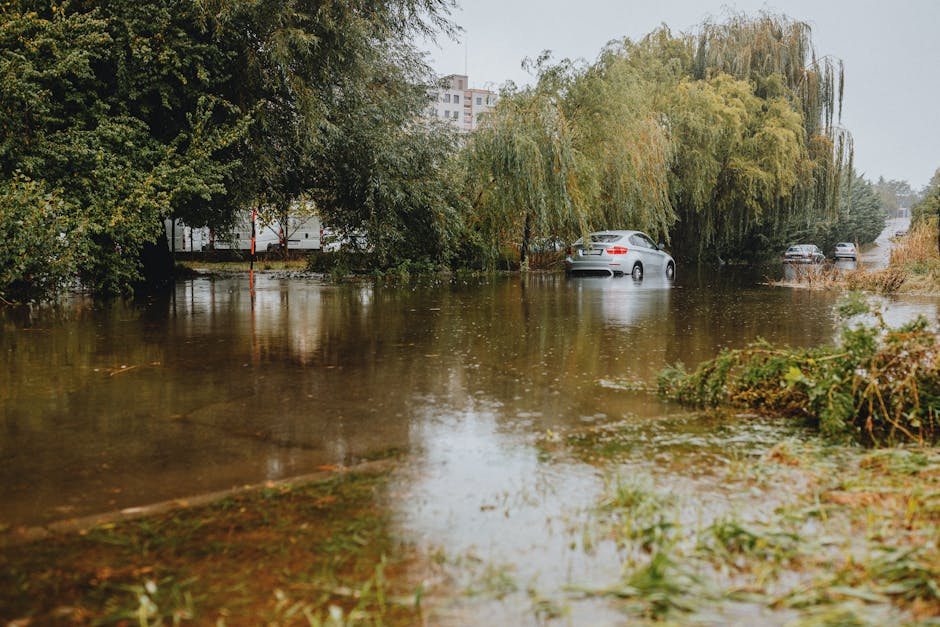
Practical Checklist
Use this quick checklist when water damage happens.
- Check for danger first, especially electrics and slipping hazards
- Stop the water source if it is safe to do so
- Move dry belongings away from the affected area
- Take photos before major cleanup
- Remove or blot visible standing water
- Open windows or improve airflow where appropriate
- Lift rugs, mats, and small loose items
- Look for water under furniture and at room edges
- Arrange urgent professional support if moisture has soaked in
- Monitor the area for smell, staining, or recurring dampness
- Keep records for landlord, insurer, or property manager if needed
One small but useful habit: check the room again the next morning. Damp often announces itself after the place has been quiet overnight. You will notice it in the air before you spot it on the floor sometimes.
Get a free quote today and see how much you can save.
Conclusion
Urgent flood cleaning in Tottenham Hale Haringey N17 is about acting quickly, safely, and with a clear plan. The best outcomes usually come from early water removal, careful drying, sensible cleaning, and a realistic view of what the property needs next. That approach protects floors, furniture, and air quality while keeping the disruption as short as possible.
If you are dealing with flood damage right now, do the practical first steps, document everything, and get help before the problem settles into the fabric of the property. A little speed goes a long way. And once the room is dry and back to normal, there is a genuine sense of relief when you walk in and it just smells like a room again.
If you need to speak to a local team about the next step, the safest move is to use the site's contact route and explain the situation clearly. Short description, quick response, less stress. Nice and simple, ideally.


