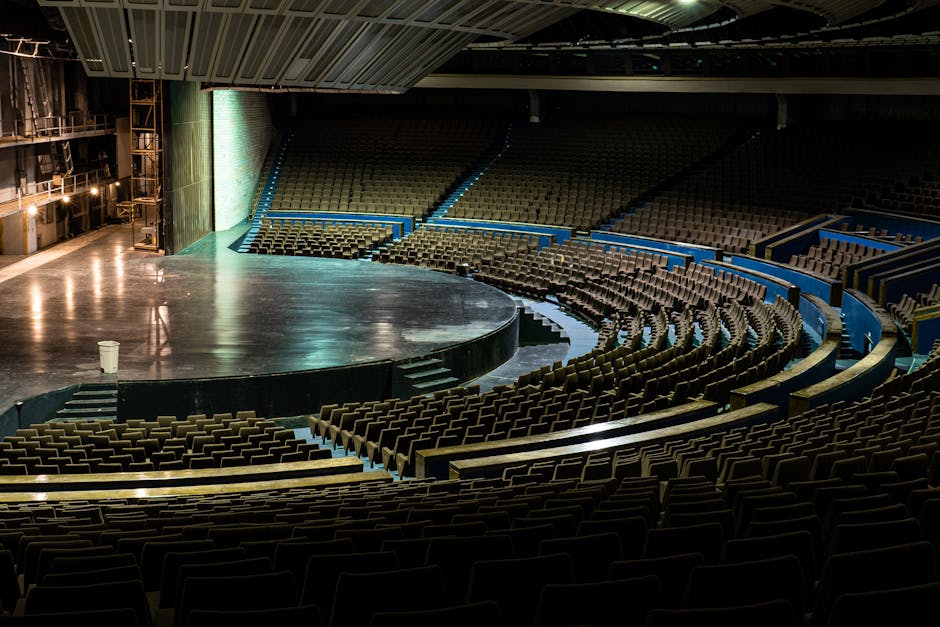
Alexandra Palace event cleanup and venue cleaning in Haringey
Posted on 06/06/2026
Alexandra Palace Event Cleanup and Venue Cleaning in Haringey: A Practical Guide for Events, Venues, and Busy Teams
Alexandra Palace event cleanup and venue cleaning in Haringey can look simple from the outside: clear the rubbish, wipe the surfaces, reset the room, job done. In reality, though, the difference between a decent turnaround and a smooth, professional one is all in the details. After a concert, conference, wedding reception, private party, or community gathering, the venue needs to feel fresh again quickly and safely. That means more than a quick sweep. It means planned cleaning, waste handling, floor care, restroom resets, and a proper eye for the little things people notice the moment they walk back in.
This guide breaks down what venue cleaning actually involves, why it matters so much around Alexandra Palace, how the process usually works, and what to look for if you are choosing support in Haringey. If you are balancing tight turnaround times, mixed-use spaces, or high guest expectations, you will find the practical bits useful. And truth be told, that is usually where the headaches are hiding.
Quick takeaway: Good event cleanup protects the venue, improves guest experience, supports safety, and saves time between bookings. The best results usually come from a clear plan, the right equipment, and a team that understands event pressure.
Why Alexandra Palace event cleanup and venue cleaning in Haringey Matters
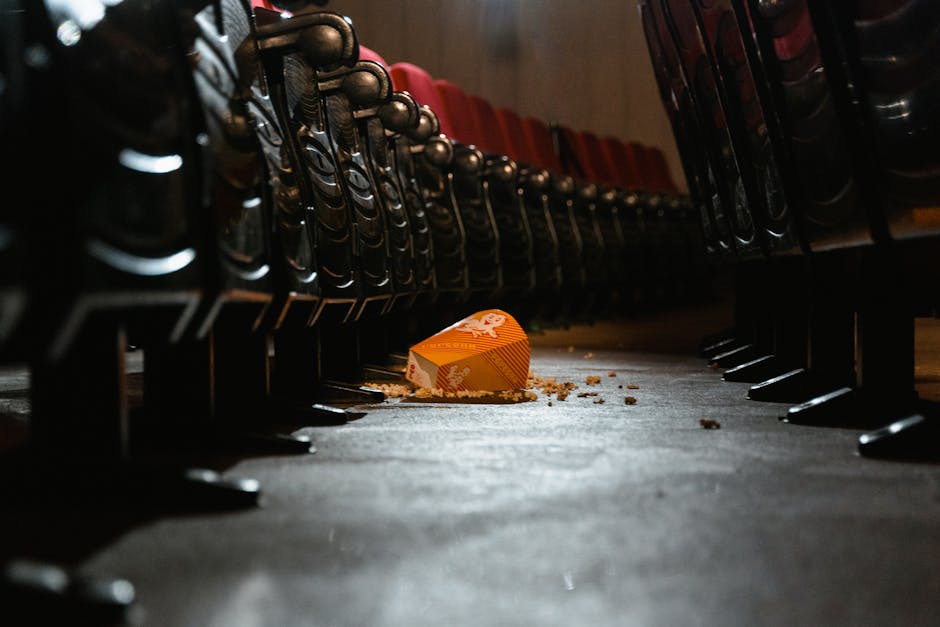
Alexandra Palace is not just another venue. It is a busy, high-profile event setting where footfall can be intense and expectations are high. A single evening can leave behind spillages, confetti, food waste, muddy footprints, sticky bar areas, and tired-looking toilets. If the venue is being used again soon after, those issues become urgent very quickly.
This is why venue cleaning matters so much in Haringey. It protects the event space, keeps it presentable, and helps the next booking start on the right foot. It also reduces avoidable complaints. Nobody remembers the dust on the skirting board when the music was great, but they absolutely remember a bathroom that was not reset properly. People are funny like that, but it is true.
There is also a practical business angle. Well-managed cleanup lowers the chance of damage getting worse. A drink spill on carpet, if left too long, can become a stain or odour problem. Food residue can attract pests. Wet floors can turn into slip risks. Post-event cleaning is often about prevention as much as appearance.
For organisers and venue managers, the value is simple: less stress, less downtime, and a better overall experience for guests and staff. If you are also managing recurring events or rotating room hire, a consistent cleaning standard becomes part of the venue's reputation. That kind of consistency can be felt the moment someone opens the doors.
For readers exploring related local context, the wider Haringey area has a strong events and property mix, and that often influences what kind of cleaning support is needed. You may find it useful to browse notable party locations in Haringey or read more about Haringey's welcoming local atmosphere if you are planning events around the borough.
How Alexandra Palace event cleanup and venue cleaning in Haringey Works
Venue cleaning usually follows the event lifecycle. Before guests arrive, the space needs a clean, polished starting point. During the event, there may be light touch-up support. After the event, the heavy lifting begins: clearing debris, removing waste, wiping and sanitising high-touch areas, cleaning floors, restoring toilets, and checking for damage or forgotten items.
In a venue like Alexandra Palace, the work can vary a lot depending on the event type. A trade show leaves behind packaging, banners, fingerprints, and floor traffic. A wedding may mean glassware, food spills, and floral debris. A live music event can create concentrated mess around entrances, bars, toilets, and seating zones. So the cleaning plan needs to match the event, not the other way around.
A well-run service often includes a walkthrough first. That helps identify priority areas, access routes, waste collection points, and any delicate surfaces. It also gives the team a chance to spot practical complications such as timed access, restricted loading areas, or areas that need extra care because of the flooring or fittings. These small details matter more than people expect.
If the event is part of a broader schedule, venue cleaning may be coordinated with other services like deep cleaning in Haringey or one-off cleaning support after particularly busy use. Some venues also benefit from repeat support via office cleaning in Haringey style maintenance if the space includes admin areas, meeting rooms, or shared workspaces.
Here is the short version: assess the site, clean in the right sequence, confirm the details, then do a final inspection. It sounds straightforward. It rarely is. But with the right plan, it becomes manageable.
Key Benefits and Practical Advantages
The biggest benefit of proper event cleanup is obvious: the venue looks good again. But the real value goes further than appearances. A professional clean can make the difference between a rushed, reactive operation and a venue that feels controlled, cared for, and easy to book again.
Some of the practical advantages include:
- Faster turnaround between events: A structured clean reduces downtime and helps venues get ready for the next booking sooner.
- Better hygiene: Bathrooms, bar areas, touch points, and food service zones need more than surface-level attention.
- Lower risk of damage: Quick removal of spillages, debris, and moisture helps protect flooring and furnishings.
- Improved guest experience: Clean facilities quietly shape how people feel about the event. They notice, even if they do not say it out loud.
- Less pressure on in-house staff: Teams can focus on guests, operations, and access instead of trying to reset the building in a rush.
There is also a reputation benefit, which is easy to underestimate. A venue that is consistently clean feels organised. People trust organised spaces. They trust them more because they seem looked after, and that subtle impression travels fast through event planners, suppliers, and repeat clients.
For some venues, the cleaning job ties into move-in, move-out, or handover situations too. In those cases, useful adjacent services can include end of tenancy cleaning in Haringey, spring cleaning in Haringey, or even house cleaning support where staff accommodation or residential-style areas are part of the site.
One more thing: a good clean also reduces the awkward phone call afterwards. Nobody enjoys hearing, "There was still glitter in the carpet and the toilets looked tired." It is a small comment that can stick for months. Better to avoid it.
Who This Is For and When It Makes Sense
This kind of cleaning matters to more people than you might think. Of course, it is essential for venue managers and event organisers, but it is also useful for promoters, production teams, caterers, corporate hosts, wedding planners, and facilities coordinators. If you are the one responsible for handing the space back in good order, you need a plan.
It makes the most sense when:
- an event ends late and the venue must be reset quickly
- there are multiple rooms, corridors, toilets, or backstage areas to clean
- food, drink, or high footfall have created visible mess
- the venue needs to meet a higher presentation standard the next morning
- there is a risk of stains, odours, or lingering waste
- the in-house team is already stretched thin
It is also relevant for local businesses that host occasional launches, receptions, exhibitions, or networking evenings around Alexandra Palace and wider Haringey. In those settings, the cleaning need may feel less dramatic than a festival or concert, but the expectations are still real. A polished venue says a lot about the event itself.
If you are comparing options or wondering what kind of support fits best, a good starting point is the broader services overview. That can help you match the right type of cleaning to the type of space and event.
Step-by-Step Guidance
Planning the cleanup properly makes the whole operation easier. Here is a practical sequence that works well for most venue cleaning jobs, even when the schedule is tight.
- Walk the venue before the event ends. Identify the busiest areas, likely mess points, and any surfaces that need special care.
- Separate waste streams early. General waste, recycling, and food waste should be collected in the right place rather than mixed together at the end.
- Clear visible debris first. Start with cups, packaging, napkins, and loose litter. This makes the space easier to clean properly.
- Tackle spills and marks quickly. Fresh spillages are far easier to remove than dried ones. The clock matters here.
- Clean touch points and shared surfaces. Handles, railings, counters, switches, and restroom fittings need careful attention.
- Reset floors and fabrics. Vacuum, mop, spot-treat, and check any carpeted or upholstered areas for residue or odour.
- Refresh toilets and wash areas. Restock consumables if required, wipe visible surfaces, and check for missed details.
- Do a final inspection. Look at the venue from the perspective of the next guest. That usually reveals what busy hands miss.
That last point is the one many teams skip. They finish the obvious work and assume it is done. But the final scan is where you catch things like a damp patch near a bar, a wrapper under a chair, or a fingerprint trail on glass doors. Tiny stuff. Annoying stuff. The stuff people actually remember.
If carpets, runners, or upholstered seating are involved, specialist help can be useful. You may want to look at carpet cleaning in Haringey or upholstery cleaning in Haringey for areas that need more than a standard wipe-down.
Expert Tips for Better Results
Most venue cleaning problems are not caused by bad effort. They usually happen because the clean was not planned around the actual event. That is a subtle but important difference.
Useful tips from real-world practice:
- Group tasks by zone. It is more efficient to clean one area fully than to keep bouncing between rooms.
- Prioritise the spaces guests notice first. Entrances, toilets, main halls, and bar areas should always get priority.
- Keep spare supplies close. Cloths, liners, gloves, neutral cleaner, and mop heads should be available on site if possible.
- Use the right product for the surface. Not every cleaner suits every finish. A quick test patch can save a lot of regret.
- Do not let damp fabrics sit. If seating or soft furnishings have absorbed moisture, they need attention before odour becomes a problem.
- Leave time for re-checking. The best team is not the fastest one; it is the one that finishes cleanly and calmly.
There is also value in matching the cleaning plan to the season and the event flow. A winter event brings in wet shoes and muddy edges. A summer function may leave more drink spillages and patio debris. Around 9:30 pm, the venue can look one way; by midnight, it can look like a different place entirely. A flexible plan helps.
For teams that want a broader maintenance rhythm, domestic cleaning in Haringey and house cleaning in Haringey can be relevant if the venue is more intimate, residential, or multi-purpose. That is especially common with smaller hospitality spaces and private hire properties.
Common Mistakes to Avoid
Let's face it, most cleanup mistakes come from rushing. Not laziness. Rushing. There is a difference.
Here are the usual culprits:
- Cleaning in the wrong order: If you mop before removing debris, you often just move the problem around.
- Ignoring hidden areas: Behind bars, under tables, along skirting boards, and around bins are easy to miss.
- Using too much product: More cleaner does not always mean better results. Sometimes it just leaves residue.
- Forgetting odour control: A clean-looking room can still feel unfresh if waste and soft surfaces were not dealt with properly.
- Skipping a final check: This is where the embarrassing little leftovers live.
- Not planning for waste removal: Overflowing bags and poor segregation create a mess all by themselves.
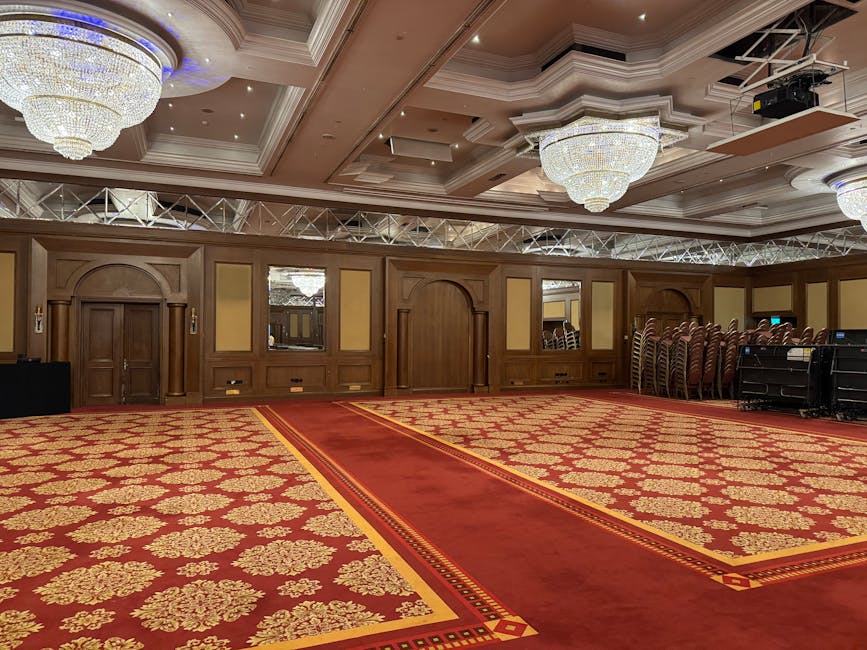
One very common issue is leaving carpet spots "for later" because the event is running behind schedule. Later often means never, and that is how stains settle in. Better to treat issues while they are still fresh, even if it means pausing another task for five minutes.
Another mistake is assuming all cleaning is visible cleaning. A venue can look fine in photographs and still fail the practical test if toilets are under-restocked or touch points were forgotten. The next organiser will notice. They always do.
Tools, Resources and Recommendations
For Alexandra Palace event cleanup and venue cleaning in Haringey, the right tools matter nearly as much as the cleaning method. You do not need a huge kit for every job, but you do need the basics to be dependable.
| Cleaning need | Helpful tools or supplies | What to watch for |
|---|---|---|
| General waste removal | Bin liners, trolleys, bags, gloves | Overfilled bins and loose rubbish |
| Surface cleaning | Microfibre cloths, neutral cleaner, disinfecting wipes | Residue on glass, counters, and hand-touch areas |
| Floor care | Vacuum, mop, spot treatment, signage for wet floors | Slip risk and missed edges |
| Toilet refresh | Sanitiser, paper products, brushes, limescale treatment where suitable | Odour, empty dispensers, and water marks |
| Soft furnishings | Upholstery tools, stain spotters, extraction equipment if needed | Moisture retention and fabric damage |
If you are organising a one-off event or a recovery clean after a busy weekend, a dedicated one-off approach can be more efficient than trying to stretch regular housekeeping too far. That is where one-off cleaning in Haringey can make sense.
For operational reading and service context, these pages may also help: pricing and quotes for planning the budget, and about us if you want a better sense of the people behind the work. Small detail, yes, but trust often starts there.
Law, Compliance, Standards, or Best Practice
Any venue clean should be handled with care around safety, waste, and working practices. Without turning this into a legal lecture, the sensible approach is to follow recognised UK best practice for hygiene, risk reduction, and safe handling of cleaning products and waste.
In practical terms, that usually means:
- using suitable personal protective equipment where needed
- keeping walkways clear while cleaning is underway
- spotting and managing slip hazards quickly
- storing cleaning materials safely
- handling waste responsibly and separately where appropriate
- making sure staff are briefed before work begins
For venues with public access, safety is not optional. It affects staff, guests, contractors, and anyone moving through the space after the event. A clear process matters because event environments are busy and distractions are everywhere. It only takes one wet floor or blocked corridor to create a problem.
It is also sensible to work with companies that can speak clearly about their processes. If you want to understand how a provider approaches risk and job planning, relevant pages include health and safety policy, insurance and safety, and terms and conditions. Those are not flashy pages, but they matter. Quite a lot, actually.
Options, Methods, or Comparison Table
Not every venue needs the same style of support. Some spaces need a light reset. Others need deep post-event recovery. Here is a simple comparison to help you think it through.
| Method | Best for | Strengths | Limitations |
|---|---|---|---|
| Light turnaround clean | Small events, tidy guests, low spill risk | Fast, efficient, low disruption | Not enough for heavy mess or damage |
| Standard post-event clean | Most parties, receptions, meetings, launches | Balanced coverage across floors, toilets, and surfaces | May miss embedded stains or fabric issues |
| Deep venue recovery clean | Large events, heavy footfall, prolonged use | More thorough, better for tougher residues | Needs more time and planning |
| Specialist fabric or carpet clean | Carpeted rooms, seated areas, lounge zones | Targets stains and odours effectively | Usually works best as part of a wider clean |
In many cases, the right solution is a combination. A venue may need standard cleanup everywhere, plus targeted carpet or upholstery attention in the busiest rooms. That blended approach is often the smartest one.
Case Study or Real-World Example
Picture a private evening event near Alexandra Palace with a seated dinner, speeches, and dancing afterwards. By the end of the night, the main hall has glass marks on tables, a few food spills, crushed napkins near exits, and the toilets need a reset. Nothing dramatic, but enough to make the space feel tired.
The cleanup starts with waste removal and a quick sweep of guest-facing areas. Then the team handles surfaces, glass, and any food debris. Toilets are refreshed early because they are high priority and easy to overlook in the rush. After that, the floor is inspected for sticky spots and carpeted areas are spot-treated where needed. Finally, the room is checked from the doorway inward, just to catch whatever everyone else walked past.
The difference is not just visual. The venue feels calmer. Staff are not hunting for missed rubbish at the last minute. The next morning, the handover is smoother. No drama, no awkward clean-up surprises, no panicked calls from the organiser at 8:10 a.m. That last one happens more than people think.
If the space is part of a wider local move, event setup, or property transition, related reading such as Haringey property sale procedures and smart property moves in Haringey can help frame cleanup within a bigger handover process. And for a local lifestyle angle, local experiences life in Haringey gives a broader sense of the area.
Practical Checklist
Use this as a simple pre-close or post-event checklist. It is not fancy, but it works.
- All waste removed from public areas, toilets, and back-of-house spaces
- Bins emptied and liners replaced where needed
- Tables, counters, rails, and switches wiped down
- Spills treated before they set
- Floors vacuumed, swept, or mopped as appropriate
- Toilets, sinks, and touch points reset
- Carpet spots checked and addressed
- Upholstery inspected for stains or moisture
- Glass doors and mirrors polished
- Lost property gathered and logged
- Final walk-through completed from guest perspective
- Access points, alarms, and closing procedures confirmed
Best practice summary: clean in layers, prioritise the highest-traffic spaces first, and always leave time for a final inspection. That little bit of structure saves a lot of hassle later.
Get a free quote today and see how much you can save.
Conclusion
Alexandra Palace event cleanup and venue cleaning in Haringey is really about control, presentation, and peace of mind. When the event ends, the venue still has a job to do. It needs to reset quickly, safely, and properly for the next moment on the calendar. A thoughtful cleaning approach helps that happen without drama.
Whether you are managing a one-off celebration, a recurring venue schedule, or a high-pressure turnaround after a packed event, the essentials stay the same: plan well, clean in the right order, focus on the spaces guests actually notice, and do not rush the final check. Small things. Big difference.
If you are still deciding what level of support you need, start with the basics, compare the options carefully, and choose the setup that protects both the venue and your sanity. That is usually the right move.