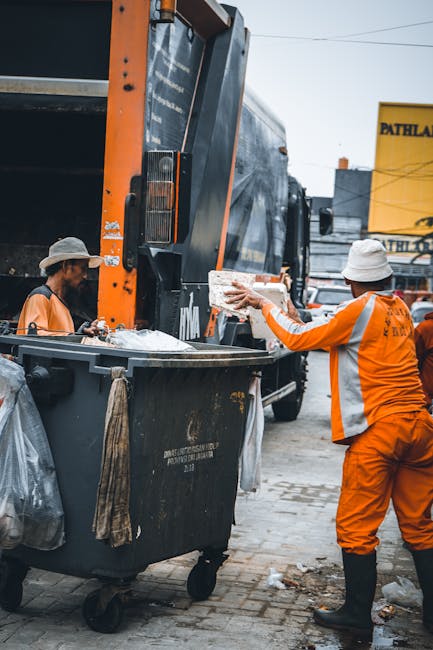
Haringey council waste rules for cleaning teams
Posted on 08/07/2026
Haringey council waste rules for cleaning teams: a practical guide for safer, cleaner work
If you clean homes, offices, or rental properties in north London, you already know that rubbish is never just rubbish. Cardboard boxes, bagged waste, broken items, leftover food, old carpet offcuts, and the odd mystery bag from under a bed all need handling properly. That is where Haringey council waste rules for cleaning teams come in. Get them wrong and you risk complaints, fly-tipping accusations, awkward client conversations, and a job that feels messier than it should.
This guide breaks the topic down in plain English. You will see what the rules mean in practice, how cleaning teams should sort and present waste, where things often go wrong, and how to build a process that keeps jobs tidy, compliant, and efficient. If you work across Haringey, or manage contractors in the borough, this is the sort of detail that saves time on a damp Tuesday morning when the van is full and the client is waiting at the door.

Why Haringey council waste rules for cleaning teams Matters
Waste handling sounds like a back-of-house detail, but in cleaning it quickly becomes part of the customer experience. A spotless room can be undermined by a heap of black bags left on the pavement, and a beautiful end-of-tenancy clean can turn into a dispute if builders' waste or bulky items are dumped in the wrong place.
For cleaning teams, the rules matter for three reasons. First, they help you stay on the right side of local expectations around storage, presentation, and collection. Second, they protect your reputation. People notice whether a contractor has thought things through. Third, they make jobs smoother for everyone involved, especially in shared buildings, managed blocks, and tight terraces where space is limited and neighbours are never far away.
There is also a commercial side to this. If you offer domestic cleaning, one-off cleaning, or end of tenancy cleaning, you are not just selling a tidy kitchen or a dust-free hallway. You are selling reassurance. Clients want to know you will not leave them with a pile of waste to deal with later. That trust is worth a lot. To be fair, it is often what brings repeat work.
If you are putting together a wider service process, it helps to understand how waste handling fits alongside service planning, visit scheduling, and customer communication. Our services overview gives a good picture of how different cleaning jobs can be organised, while our insurance and safety information is useful when waste removal, sharps, slips, or heavy lifting are part of the day.
How Haringey council waste rules for cleaning teams Works
The simplest way to think about Haringey council waste rules is this: different waste types need different treatment, and the team placing them out for collection has to follow local collection arrangements rather than improvising at the kerbside. That means more than just tying a bag and hoping for the best.
In day-to-day cleaning work, the process usually looks like this:
- Identify the waste stream. Is it general rubbish, food waste, dry mixed recycling, bulky waste, or something that needs special handling?
- Separate it at source. Put recyclables, sharp items, and general waste into the right containers or bags before the job ends.
- Keep waste contained. Loose debris, broken glass, damp cloths, and food residue should be securely bagged or boxed.
- Avoid overfilling. A bag that bursts on the pavement creates more work and a worse impression.
- Use the right collection point. Some buildings have bin stores, service yards, or agreed collection areas. If not, the team needs a safe, legitimate place to leave waste for collection.
- Document unusual waste. If a client asks you to move bulky items, mattresses, paint tins, or suspect materials, get clarity before touching anything.
One thing that catches teams out is assuming that because waste came from a cleaning job, it can be treated like ordinary household rubbish. Not always. A deep clean in a flat might uncover broken small appliances, old chemicals, or renovation debris. That is a different conversation. If you want a job type that often creates more waste than expected, our deep cleaning service is a good example of where planning matters from the first room onwards.
In practical terms, the rules are less about theory and more about consistency. The team that checks labels, bags waste properly, and leaves the property with a clean handover usually avoids most issues before they start.
Key Benefits and Practical Advantages
Following waste rules is not only about avoiding trouble. It improves the whole standard of your work. A tidy disposal process gives you faster turnovers, fewer complaints, and a better impression at the end of each job.
- Cleaner handovers. Clients see a finished job, not a half-finished one.
- Fewer missed collections. Correctly presented waste is more likely to be collected without fuss.
- Lower complaint risk. Neighbours are less likely to report bags blocking pavements or entrances.
- Better staff safety. Clear handling procedures reduce cuts, spills, and heavy-lift mishaps.
- Stronger professionalism. Teams that handle waste carefully tend to look more reliable overall.
There is also a morale benefit that people do not always mention. Crews work better when the end of a job feels orderly. Nobody likes dragging old rubbish around in the boot of the van for the rest of the day. It is one of those little things that can make a long shift feel twice as long.
If you clean across property stages, such as move-outs or sales preparation, waste handling becomes even more important. A property that is being prepared for viewings or completion needs to look finished, not cluttered. For related local planning and presentation concerns, see our guide to property sale procedures in Haringey and smart property moves in Haringey.
Who This Is For and When It Makes Sense
This topic matters to more people than you might expect. It is not just for waste contractors or facilities managers. In practice, anyone who arranges, delivers, or supervises cleaning in Haringey should understand the basics.
- Domestic cleaners dealing with bagged rubbish, packaging, and room-by-room tidy-ups
- End-of-tenancy teams where abandoned items and last-minute clearances are common
- Office cleaning crews managing paper waste, packaging, and kitchen waste
- Deep-clean specialists who may uncover hidden waste, damp items, or unwanted stored goods
- Building managers and landlords who need contractors to respect communal bin areas
- Event cleanup teams working fast after parties, launches, or venue bookings
It makes sense whenever a job creates more than a standard black bag or two. And honestly, that is a lot of jobs. A family move, a post-party cleanup, a storage room refresh, or an office clear-out can all create a surprising amount of waste. One minute you are dusting a skirting board; the next you are staring at a mountain of cardboard and wondering how it multiplied.
If you need support for recurring domestic work, our domestic cleaning and house cleaning pages are relevant starting points. For workplaces, office cleaning is the better fit.
Step-by-Step Guidance
Here is a practical process cleaning teams can use before, during, and after a job. It is simple, but simple is good when waste is involved.
1. Confirm what waste is likely to be created
Before the team arrives, ask what the property contains. Are there bin bags only, or are there bulky items, food waste, textiles, old cleaning chemicals, or renovation leftovers? A five-minute check can prevent a five-hour problem.
2. Decide what your service covers
Clients sometimes assume waste removal is included when it is not. Spell out whether your job is cleaning only, cleaning plus bagging, or cleaning plus removal to a permitted disposal point. That distinction protects both sides. If pricing clarity matters, our pricing and quotes page is useful for understanding how service scope should be framed.
3. Separate waste by type
Keep recycling separate from general waste where possible. Put sharp debris, glass, and contaminated materials into sturdy containers. Never mix questionable items in a way that makes handling unsafe later.
4. Package everything securely
Double-bag wet or heavy waste if needed. Use strong liners. Tie bags properly. If a box is better than a bag, use a box. The aim is a controlled handover, not a dramatic leak on the pavement.
5. Move waste to the correct collection point
Use the building's agreed bin store or collection area where available. In shared housing, this can be the difference between an easy pickup and a complaint from the next-door neighbour who has already had a long day, poor soul.
6. Check for unusual items
If you find items that may need special handling, stop and reassess. That could include needles, chemicals, batteries, electricals, or anything sharp, heavy, or suspicious. Do not guess. Ask the client or supervisor to decide the next move.
7. Photograph or note anything disputed
This is especially useful for end-of-tenancy and post-party jobs. A quick note can protect you if someone later claims the waste was yours, not theirs.
8. Leave the area neat
The collection point should not look worse after you leave. Wipe spills, remove stray packaging, and close bin lids properly. Small detail, big impression.
Expert Tips for Better Results
Good waste handling is mostly about habits. Once the team gets those habits right, the job flows better. Here are a few practical tips that make a real difference.
- Keep a "waste check" in your job close-out routine. Just like checking taps or windows, waste should be part of the final walk-through.
- Use colour-coded or clearly labelled bags if your operation is bigger. It reduces confusion on busy days.
- Train new staff on what not to touch. The most expensive mistake is usually the one someone made because they were trying to be helpful.
- Ask clients about storage areas before arrival. In many blocks, bin stores are locked, shared, or awkwardly positioned.
- Build buffer time into your schedule. Waste is often the part that takes ten minutes longer than expected. Then another ten.
A smaller but useful tip: keep spare sacks, gloves, and wipes in the vehicle. You will almost certainly need them when a bin splits or a bag is heavier than it looked. Truth be told, that happens more often than people admit.
If you need a service that already leans heavily on careful preparation, our end of tenancy cleaning page shows the kind of structured approach that suits waste-sensitive jobs.

Common Mistakes to Avoid
Most waste-related problems are not dramatic; they are just avoidable. That is the annoying part. Here are the errors that tend to cause the most trouble.
- Leaving bags where they block access. This is how complaints begin.
- Mixing general waste with recyclables. It can create extra handling and frustration.
- Assuming a bulky item is "just rubbish". Some items need separate arrangements.
- Overfilling sacks. Broken bags are messy, unsafe, and frankly a bit careless-looking.
- Ignoring what is in communal bin stores. A full or misused store can create conflict fast.
- Not clarifying responsibility with the client. Everyone then thinks someone else was dealing with it.
One subtle mistake is failing to think about the whole route from property to bin area. In a flat block with narrow stairs, lifts, or shared corridors, waste can be just as disruptive as the cleaning itself. You do not want to leave a trail of drips after mopping a hallway, or worse, a scent that hangs around all afternoon.
For teams handling move-out cleaning, a little extra care goes a long way. If clients are comparing service options, it can also help to explain scope clearly through trusted pages like one-off cleaning and spring cleaning, where waste-sensitive work is often part of the brief.
Tools, Resources and Recommendations
You do not need a lot of fancy kit to manage waste well, but you do need the right basics. The right tools reduce mess, speed up handovers, and help staff stay safe.
| Tool or resource | Why it helps | Best use case |
|---|---|---|
| Heavy-duty bags | Reduces tearing and spills | General waste, damp debris, post-clean clear-up |
| Sturdy gloves | Improves handling safety | Unknown waste, sharp edges, bin-store work |
| Labels or marker pens | Helps separate waste types | Multi-crew jobs and larger clearances |
| Spare boxes or tubs | Keeps loose or sharp items contained | Glass, broken fittings, small bulky items |
| Job notes or photo logs | Provides accountability | End-of-tenancy and disputed waste situations |
Not every team will need all of these, but every team should know where they are stored and who is responsible for them. It sounds obvious. It rarely is on a busy day.
For related reading that helps with trust, clarity, and client expectations, our pages on health and safety policy, terms and conditions, and complaints procedure can be useful. If you are concerned about payment handling or customer trust signals, the payment and security page is also worth a look.
Law, Compliance, Standards, or Best Practice
Waste handling sits within wider UK expectations around responsible disposal, duty of care, and safe work practices. You do not need to turn every cleaning job into a legal seminar, but you do need a sensible system. In plain English, that means knowing what you are handling, storing it safely, and making sure it reaches the right route for disposal or collection.
For cleaning teams, best practice usually includes:
- Clear scope of work. Agree in advance what waste you are clearing and what remains with the client.
- Safe segregation. Keep different waste types apart where practical.
- Controlled storage. Never leave bags in places that create access or fire risks.
- Manual handling awareness. Heavy or awkward waste should be lifted with care, not stubbornness.
- Escalation for hazardous or unusual items. Stop and seek instruction rather than guessing.
There is also a reputational angle to compliance. If you work with landlords, letting agents, offices, or venues, they may expect a more formal process than a casual household clear-up. A clean team that can explain its approach calmly usually earns more trust than one that says, "Don't worry, we'll sort it somehow." That phrase makes people nervous for a reason.
If your work occasionally involves events or busy public spaces, our event cleanup and venue cleaning article is a useful related read. For post-sale or move-out situations, the property sale procedures piece adds helpful local context.
Options, Methods, or Comparison Table
There is more than one way to handle waste after a cleaning job. The best choice depends on the type of property, volume of waste, and the client's expectations.
| Method | Pros | Cons | Best for |
|---|---|---|---|
| Bag and leave for household collection | Simple, fast, low cost | Only suitable where waste matches local household arrangements | Routine domestic cleaning |
| Bag, separate, and store securely for pickup | Organised and low-risk | Needs space and clear access | Flats, HMOs, managed buildings |
| Client-arranged bulky removal | Clear responsibility split | Requires good communication | Move-outs and heavy clearances |
| Specialist waste handling | Safer for unusual items | Can add cost and planning time | Hazardous, sharp, or mixed waste |
In our experience, the second option is often the most practical for cleaning teams because it keeps responsibility tidy without overcomplicating the job. But the "best" method really depends on the property. A quiet house in Crouch End is not the same as a managed block near a busy high street, and an event venue is its own little world again. Different mess, different rhythm.
If waste handling is part of a specialist service, it is smart to align it with the exact job type. For example, a carpet cleaning visit or upholstery clean usually creates different disposal needs than a kitchen refresh. Our carpet cleaning, upholstery cleaning, and oven and kitchen cleaning prices article can help frame those differences in a service-led way.
Case Study or Real-World Example
Picture a two-bedroom flat in Haringey after a tenant move-out. The property looks tidy at first glance, but once the team starts working, they find packaging in cupboards, a broken lamp, food in the fridge, half-used cleaning bottles, and several bin bags left behind from the outgoing occupant. Nothing dramatic. Just a lot of small decisions.
A careful team would sort the waste by type, place sharp or broken items into a rigid container, confirm whether the bottles can be left with the household waste stream, and keep everything contained until the agreed collection point is ready. They would also check the communal bin store, because sometimes the obvious answer is not the right one. If the store is full or access is restricted, the team needs to flag that early rather than improvising at the last minute.
The difference between a smooth handover and a complaint often comes down to those tiny actions. No grand drama. Just method. The client sees the result: clean rooms, no rubbish left in the hallway, no awkward note from the building manager, and no "where do these bags go?" follow-up the next day.
A similar approach helps after larger social bookings, where waste builds up quickly and people are ready to leave. If you want a sense of how cleanup pressures change in lively settings, have a look at noteworthy Haringey party locations and Crouch End carpet cleaning experts for more locally grounded reading.
Practical Checklist
Use this checklist before signing off a cleaning job that produces waste.
- Have you confirmed what waste is expected at the property?
- Have you agreed what your service includes and excludes?
- Are bags, boxes, or containers strong enough for the load?
- Have you separated general waste from recyclables where practical?
- Are sharp, wet, heavy, or unusual items safely contained?
- Do you know the correct collection point or storage area?
- Have you checked access routes, bin-store rules, and building restrictions?
- Have you documented anything that might later be disputed?
- Have you left the area clean, with no stray packaging or spills?
- Has the client been told if anything could not be removed or disposed of as planned?
If you can tick those off, you are usually in good shape. Not perfect, maybe, but good enough to avoid the usual headaches.
For teams wanting a straightforward way to plan the next job, our request a quote page is a sensible next step, and you can also use contact if you need to ask about a specific waste-heavy property. If you are comparing broader service options, the blog hub is a handy place to browse related articles.
Conclusion
Haringey council waste rules for cleaning teams are not just a box-ticking exercise. They are part of how a professional cleaning service protects clients, staff, neighbours, and its own reputation. The teams that handle waste well usually look calmer, work faster, and leave fewer loose ends behind.
The main takeaway is simple: plan waste handling as part of the job, not as an afterthought. Confirm what needs to be removed, separate it properly, contain it safely, and leave the property and collection point in decent shape. That approach saves time, reduces friction, and makes the whole service feel more complete.
Get a free quote today and see how much you can save.
And if you are working through a busy week in Haringey, with the van half full and the kettle barely cooled, a clear waste routine can make the difference between chaos and a job that just... works. That is worth having.